
Discover ALC's Educational Outreach Programs
At ALC, we believe the best way to inspire conservation is to experience it firsthand. ALC's Educational Outreach Program connects students, educators, and adults with nature through engaging lessons, field experiences, research, and hands-on conservation opportunities.
Interested in bringing an educational program to your school, classroom, or organization?
Let’s Connect to learn more about how we can work together.
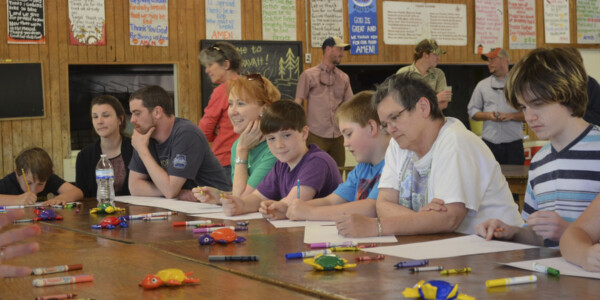
Classroom Lessons
Bring conservation into the classroom.
30 – 75 minute conservation programs tailored to your grade level and curriculum.
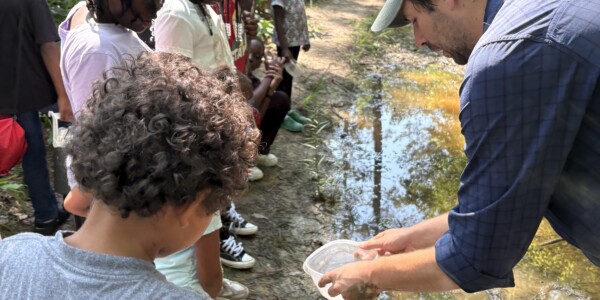
Field Trips to ALC Properties
ALC has a variety of protected properties and public lands throughout Aiken County, each offering unique habitats and opportunities for hands-on learning.
SC Envirothon Training
Preparing a team for the SC Envirothon?
ALC can assist teams in all topics and
provide hands-on practice at ALC
properties.
Green Steps Schools Mentorship
Working toward Green Steps certification?
ALC can provide guidance and hands-on mentorship for school conservation projects.
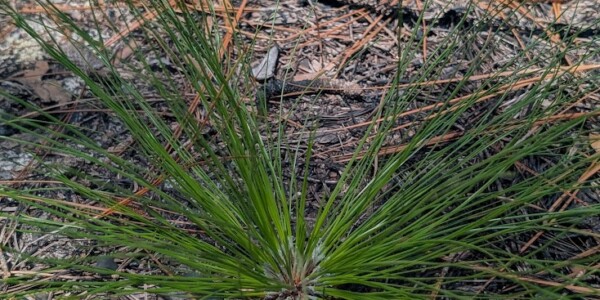
Student Research Projects
Have students who want to investigate a real environmental question?
ALC can help students develop research questions, choose field methods, collect data, and connect their findings to conservation.
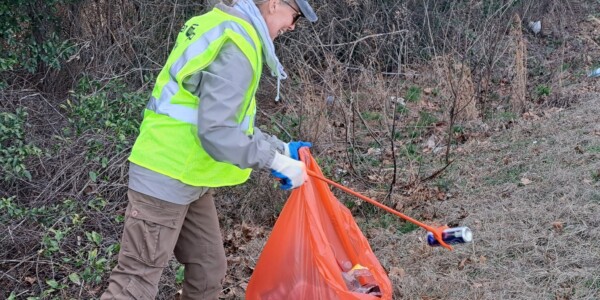
Student Volunteer Opportunities
Put conservation into action.
Gain hands-on experience through restoration projects, research, events, and other opportunities to help care for our natural resources.
Become an Aiken Young Conservationist
Help your child discover some of Aiken's natural and historic resources through fun, hands-on activities.
Children can complete an educational workbook and earn an Aiken Young Conservationist patch.
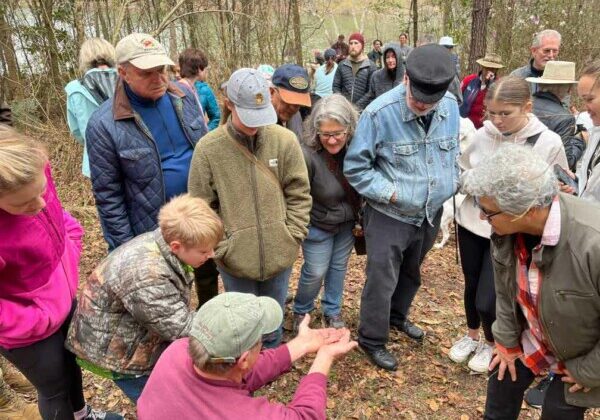
Adults and Community Programs
Explore nature, learn about local conservation, and get involved in your community. ALC offers educational programs, guided nature experiences, and hands-on opportunities for adults and community groups.
Classroom Lessons
Bringing Conservation Into the Classroom
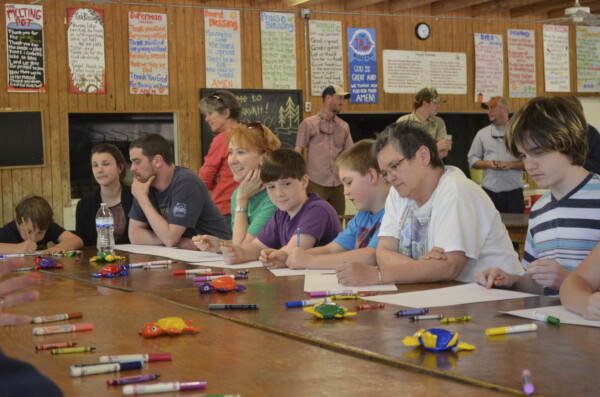
Help students connect with the natural world through engaging conservation education programs. Our classroom programs introduce students to the importance of protecting natural resources, understanding local ecosystems, and becoming responsible stewards of the environment.
Programs run 30–75 minutes and are tailored to your students’ grade level and curriculum, making it easy to incorporate environmental education into your classroom.
Classroom programs are offered at no cost to schools and educational groups.
Program Topics
Our programs explore a variety of environmental and conservation topics, including:
- Forestry
- Wildlife
- Water
- Soil
- Invasive Species
- Conservation
Curriculum Expertise
Our Education Coordinator is certified in Project WET, Project WILD, and Project Learning Tree. These nationally recognized environmental education programs offer engaging, educational activities that can be incorporated into classroom visits to support learning objectives and curriculum standards.
Bring Conservation Education to Your Classroom
Interested in bringing a conservation program to your students? Contact ALC to discuss your classroom's needs, grade level, and areas of interest. We'll work with you to identify a program that fits your students and curriculum.
Field Trip to ALC Properties
Explore Nature Beyond the Classroom
Take learning outdoors with Aiken Land Conservancy! Our protected properties and public lands throughout Aiken County offer students opportunities to explore local ecosystems, discover native wildlife, and learn firsthand why conserving natural spaces matters.
Each property offers unique habitats and learning opportunities. Depending on the location, season, and grade level, students may explore:
-
Forests: Discover the importance of trees, forest habitats, and healthy ecosystems.
-
Wetlands: Learn how wetlands support wildlife, filter water, and help maintain healthy watersheds.
-
Streams: Explore aquatic habitats and the importance of protecting water quality.
-
Wildlife Habitat: Observe signs of wildlife and learn how animals depend on healthy habitats for food, shelter, and survival.
-
Conservation Practices: See how land management and conservation efforts help protect natural resources for future generations.
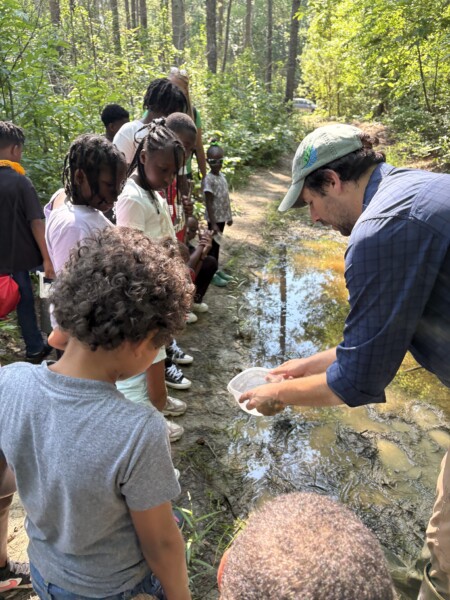
Field trips are generally offered at no cost to schools.
Schools are responsible for providing transportation to and from the selected property.
Plan a Field Trip
Interested in bringing your students outdoors for a hands-on learning experience? Contact ALC to discuss your group's needs, grade level, and potential field trip locations.
SC Envirothon Training
Preparing the Next Generation of Environmental Leaders
The South Carolina Envirothon challenges high school students to apply their knowledge of natural resources, environmental science, and conservation through hands-on learning and team-based competition.
Students explore five key areas: soil, water, forestry, wildlife, and current environmental issues. The competition encourages critical thinking, teamwork, and practical problem-solving while helping students develop a deeper understanding of the natural world.
For more information about the SC Envirothon competition, visit the SC Envirothon website.
How Can Aiken Land Conservancy Help?
Preparing a team for the SC Envirothon? Aiken Land Conservancy can support students/teams as they prepare for the competition and provide hands-on practice at ALC properties.
Contact ALC to discuss your team's needs and how we can help with preparation.
Green Steps Schools Mentorship
Turn Your Conservation Ideas Into Action
Green Steps Schools (GSS) is a free, statewide initiative of the Environmental Education Association of South Carolina (EEASC), open to all K–12 schools in South Carolina. The program pairs teachers with qualified mentors to plan, implement, and evaluate environmental projects. Schools earn awards by documenting ongoing projects that demonstrate students Learning, Doing, and Teaching others through photos or videos.
LEARN
Students learn about a sustainability topic and why it matters. As a project mentor, the Aiken Land Conservancy can visit the classroom to teach students about environmental topics connected to their Green Steps project, such as litter, water quality, invasive species, wildlife and habitats, and conservation.
DO
Students put what they have learned into action through a hands-on conservation project.
ALC can provide mentorship and support for projects such as:
-
Trash Cleanups — Organize cleanups on school grounds or ALC properties.
-
Stream Monitoring — Help students learn the basics of water quality and monitoring the health of local waterways (sites to be determined).
-
Invasive Species Removal — Give students hands-on experience identifying and removing invasive plants on ALC properties.
-
Pet Waste Stations — Help schools address pet waste and its impact on local waterways through stations on ALC properties.
-
Wildlife Surveys & Habitat Projects — Engage students in observing local wildlife and creating or improving habitat on school or ALC properties.
-
Educational Signage — Help students develop educational signs for ALC properties that encourage visitors to learn about and care for our local environment.
Funding for Projects: Some projects may require funding for materials, supplies, or other associated costs. For these projects, Aiken Land Conservancy will explore grant funding opportunities. Depending on grant availability and timelines, a project may be planned with a school one year and implemented the following year once funding becomes available.
TEACH
Students share what they have learned and accomplished with classmates, families, or the community through presentations, posters, videos, social media, school news, or other creative methods.
BECOME A GREEN STEPS SCHOOL
To be recognized as a Green Steps School, schools complete an annual Green Steps Schools form documenting how students are Learning, Doing, and Teaching through their sustainability projects. Photos and videos can be used to document and celebrate their work. Schools that meet the program requirements can work toward becoming a Green Steps Certified School.
Schools can still partner with ALC on conservation and environmental projects without participating in Green Steps. However, the Learn, Do, and Teach components and required documentation are necessary for Green Steps Schools recognition.
Start a Green Steps Project
Have an idea you'd like to explore? Contact ALC to discuss your project and learn how we may be able to provide guidance and support.
Learn More about the Green Steps School Initiative
To learn more about the statewide Green Steps Schools initiative, visit the Green Steps Schools website.
Student Research Projects
Turn Environmental Questions Into Real-World Research
Have students interested in investigating a real environmental question? Aiken Land Conservancy can help students turn their curiosity into meaningful research that supports conservation and a better understanding of the natural world.
ALC can assist students in developing research questions, selecting appropriate field methods, collecting data, and connecting their findings to local conservation challenges. These experiences allow students to apply classroom learning, build scientific skills, and explore issues that affect the health of our local ecosystems.
We welcome opportunities to support a variety of student research projects, including science fair projects, FFA Supervised Agricultural Experience (SAE) projects, Agriscience Fair projects, senior research, and independent studies.
Potential Research Topics include:
-
How does prescribed fire affect longleaf pine regeneration?
-
How does vegetation affect water quality?
-
Which methods are most effective for removing a particular invasive plant?
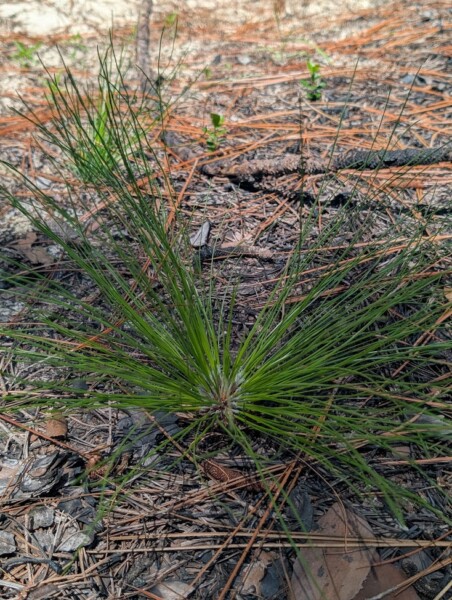
These are just a few examples. Research topics can be tailored to students' interests, academic requirements, and available study sites.
Explore a Research Opportunity
Have a student or class interested in conducting conservation-related research? Contact ALC to discuss research ideas, potential field opportunities, and ways we may be able to support their work.
Student Volunteer Opportunities
Put Conservation into Practice
Looking for meaningful ways for students to make a difference in their community?
Aiken Land Conservancy offers opportunities for classes, school clubs, and student groups to get involved in hands-on conservation and environmental stewardship.
Students can help protect natural spaces, improve local habitats, and support conservation efforts throughout Aiken County while gaining practical experience and seeing the impact of their work firsthand.
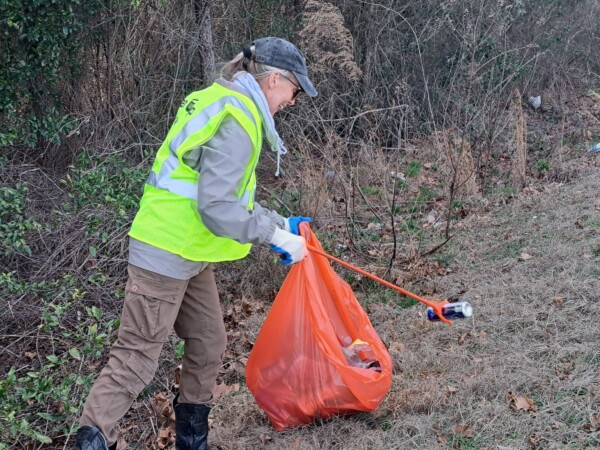
Class and Group Volunteer Activities
Depending on current projects and seasonal needs, student groups may have opportunities to assist with:
- Trash clean-ups
- Invasive species removal
- Native habitat restoration
- Conservation project work
- Event set-up and support
Individual Students
Interested in getting involved in conservation on your own?
Individual students may be able to assist with ALC programs and events, contribute to research projects, and participate in other conservation activities based on their interests.
Get Your Group Involved
Volunteer opportunities vary throughout the year based on project needs, seasonal conditions, and available activities. Teachers, club advisors, and group leaders are encouraged to contact ALC to discuss their group's interests and explore upcoming opportunities.
Aiken Young Conservationists
The Aiken Land Conservancy (ALC) launched its Aiken Young Conservationist program in October 2013. Developed and designed by Emmie Smith, with help and guidance from her father, former ALC Board member Steen Smith, the program was created to encourage children to learn about the unique natural and historic features of Aiken County through hands-on participation.
Modeled after Junior Ranger programs offered in our National Parks, the Aiken Young Conservationist Program is designed to educate and inspire the next generation of conservationists. Through the program, children learn about the natural and historic resources that make Aiken County special and gain the knowledge and appreciation they need to become good stewards of their community and help conserve Aiken's special places for generations to come.
How the Program Works?
Program participants complete a workbook filled with fun and educational challenges, including ecology bingo, a bird word scramble, and Aiken history crossword puzzle. Children are encouraged to explore Aiken with their families and visit special places such as the Carolina Bay Nature Preserve and Hitchcock Woods.
Children who successfully complete the program earn an Aiken Young Conservationist patch, designed by ALC Board member Linda Prior Hunley.


Request A Young Conservationist Workbook
Adults and Community Programs
Conservation isn't just for the classroom
Aiken Land Conservancy offers educational programs and hands-on experiences that help adults and community groups explore nature, learn about local conservation and connect with the natural world around them.
Programs can be tailored to your group's interests and may include a variety of environmental topics and learning experiences.
Topics We Explore
Our programs can cover a wide range of environmental and conservation topics, including:
- Forestry
- Wildlife
- Native Plants & Invasive Species
- Water Quality & Watersheds
- Soil
- Conservation & Land Protection
- Local Ecosystems & Habitats
Ways We Connect with the Community
- Presentations & Workshops
- Guided Nature Experiences & Field Trips
- Citizen Science & Community Research
- Volunteer Opportunities
- Community Outreach & Events
Interested in a program for your group?
Whether you're interested in a presentation, an outdoor learning experience, or a hands-on community project, ALC welcomes opportunities to work with local organizations and groups. Contact ALC to discuss your interests and potential opportunities.
Meet Our Education Coordinator
We’re excited to welcome Ann Marie Pauley as ALC's new Education Coordinator!
Ann Marie Pauley is a graduate of Clemson University, where she earned her Bachelor of Science in Environmental and Natural Resources with a concentration in Conservation Biology. She previously served as the Education and Outreach Coordinator with the Anderson County Soil and Water Conservation District (ASWCD), where she led environmental education and conservation programs, built community partnerships, coordinated citizen science initiatives, and developed educational resources and programs for a variety of audiences.
Ann Marie discovered her passion for environmental education through her experiences with her FFA chapter, where she developed an interest in soils, forestry, and natural resources. Her studies at Clemson University and professional experience with 4-H and the ASWCD further expanded her knowledge and passion for conservation and environmental education.
Her experience includes freshwater monitoring through SC Adopt-A-Stream, Green Steps Schools mentoring in Anderson County, and developing and presenting environmental education programs to diverse audiences.
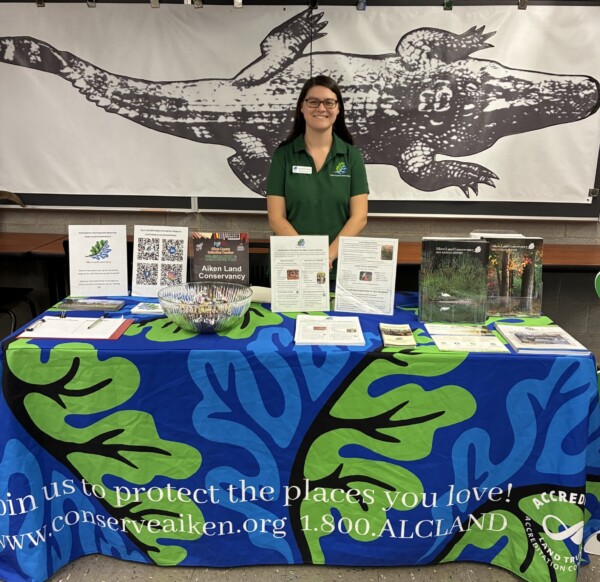
As Education Coordinator, Ann Marie plays a key role in helping ALC uphold the conservation values of the lands we protect while fostering an appreciation for nature and a commitment to protecting it for generations to come. Her experience in developing educational programs, building community partnerships, and engaging diverse audiences strengthens ALC’s ability to advance conservation education and outreach throughout Aiken County.
Let’s Connect!
Have questions about ALC’s Educational Outreach Program, interested in a presentation, or want to explore a potential collaboration? We would love to hear from you.
Frequently Asked Questions
Have questions about ALC's educational programs? Here are some answers to common questions.
Who do we serve?
ALC offers educational opportunities for learners of all ages and grade levels. We do not currently have minimum or maximum age or grade requirements.
Are educational programs free?
ALC's classroom programs and field trips are generally offered at no cost. However, supplies or materials for Green Steps Schools projects and student research projects may not always be provided by ALC. We can discuss potential costs and funding opportunities on a case-by-case basis.
How far in advance should you schedule a program?
Educational programs are scheduled based on availability and are offered on a first-come, first-served basis. Our Education Coordinator's schedule can fill up quickly, so we encourage you to reach out as early as possible to discuss your needs and reserve a date.
Are field trips available at every ALC property?
No. ALC offers field trip opportunities at several ALC-owned properties, including Boyd Pond Park, Langley Pond Park, Carolina Bay Nature Preserve, and the Winthrop Polo Field. Many properties protected through ALC's conservation easements remain privately owned and are not open to the public. Field trips to these properties may be possible when landowners are interested in hosting educational visits. Contact us to discuss available locations and opportunities.
Does ALC provide transportation?
ALC does not currently provide transportation for field trips. You are responsible for arranging transportation to and from the selected property. We will work with you to identify a suitable location with adequate parking for cars and/or school buses.
Can programs be adapted to classroom learning objectives, badge requirements, or other objectives?
Absolutely! We are happy to work with you to align educational programs with specific learning objectives and South Carolina academic standards when appropriate. When contacting us, please share your grade level, relevant standards, or learning objectives so we can discuss how to best meet your groups' needs.
Can ALC help with student research or service-learning projects?
Absolutely! ALC can support student projects by sharing conservation expertise and, when appropriate, providing access to suitable properties for educational activities or research. Opportunities depend on the project's goals, location, resource needs, and available staff capacity. Contact us to discuss your ideas and explore how we may be able to help.
How do we get started?
Contact ALC through the form above to tell us about your educational goals, preferred program, student age or grade level, and ideal timeframe. Our Education Coordinator will follow up to discuss your needs, program availability, and next steps.